
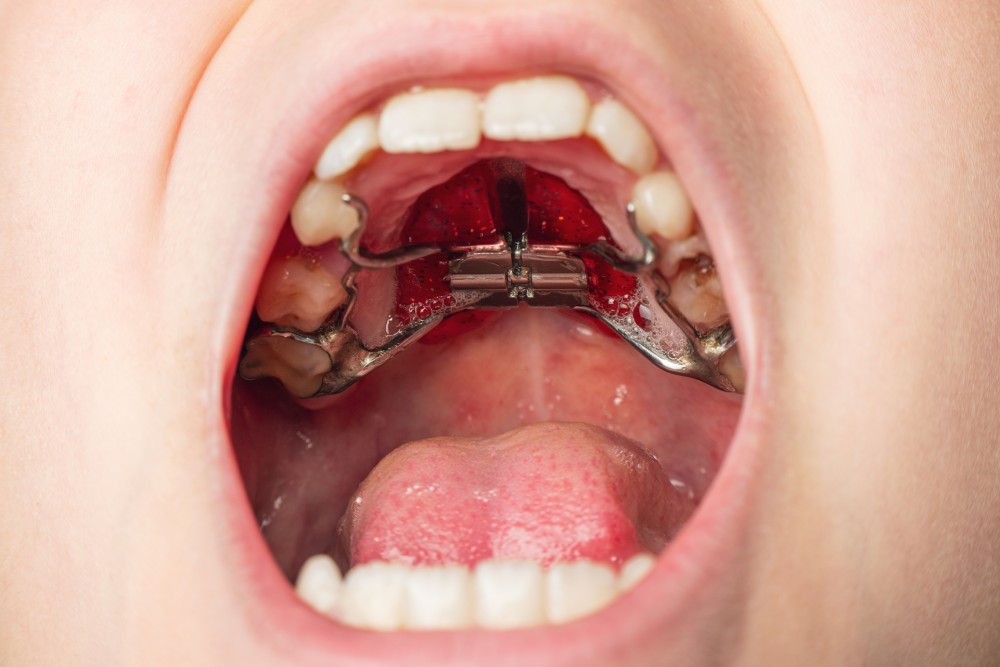
When parents think about orthodontic treatment, traditional braces are often the first thing that comes to mind. However, some children may need an additional step before braces can be placed. An orthodontic expander is a device designed to gradually widen the upper jaw, creating more room for permanent teeth and helping address certain bite problems. Depending on a child’s dental development, an orthodontist may recommend an expander as part of a treatment plan.
What Is an Orthodontic Expander?
An orthodontic expander is an appliance that applies gentle pressure to gradually widen the upper jaw. It is typically attached to the upper back teeth and adjusted according to the orthodontist’s instructions. The goal is to create additional space and improve the relationship between the upper and lower teeth.
Expanders are often recommended for children because their jaws are still developing. During this stage, the upper jaw can respond more readily to gradual expansion than it generally can after growth is complete. Treatment timing depends on the child’s individual development and orthodontic needs.
Why Might a Child Need an Expander Before Braces?
There are several reasons an orthodontist may recommend an expander before beginning traditional braces.
- Crowded teeth: When the upper jaw is too narrow, there may not be enough room for permanent teeth to come in properly. Expansion can help create additional space.
- Crossbite: A narrow upper jaw can cause some upper teeth to sit inside the lower teeth when the child bites down. An expander may help correct this relationship.
- Narrow dental arch: Some children have an upper jaw that is narrower than it should be, affecting how their teeth fit together.
- Developmental concerns: An orthodontist may identify jaw growth or alignment issues that could benefit from early intervention.
Not every child with crowded teeth or bite concerns needs an expander. An orthodontic evaluation helps determine whether expansion is appropriate or whether another treatment approach would be more effective.
What Is the Expander Treatment Process Like?
Once an expander is placed, parents receive instructions on how and when to make adjustments if the appliance requires at-home activation. These adjustments gradually widen the appliance and apply controlled pressure to the upper jaw.
Children may experience temporary pressure, mild soreness, or changes in how they speak and swallow during the adjustment period. These sensations generally become easier to manage as they get accustomed to the appliance.
After the desired expansion is achieved, the appliance may remain in place for a period of time to allow the surrounding bone to stabilize. The orthodontist will monitor progress through follow-up appointments and determine when the expander can be removed.
Will My Child Still Need Braces?
In many cases, yes. An expander and braces serve different purposes. Expansion helps address the width of the upper jaw and create space, while braces gradually move individual teeth into better alignment.
Some children may need braces after expansion to correct crowding, spacing, or other alignment concerns. Others may require a different approach depending on their bite and dental development. The orthodontist will create a treatment plan based on the child’s specific needs.
Explore Orthodontic Treatment at Bubble Children’s Dentistry and Orthodontics
Early orthodontic evaluations can help identify developing bite problems and determine whether treatment may be beneficial. Bubble Children’s Dentistry and Orthodontics provides pediatric dental and orthodontic care to help children develop healthy, properly aligned smiles. If you have noticed crowding, overlapping teeth, or an uneven bite, contact Bubble at 617-655-9410 to schedule an orthodontic evaluation and discuss whether an expander or another treatment option may be appropriate for your child.