
Dental Sealants for Kids in Newton, MA
Dental sealants are a quick, painless way to protect the deep grooves of your child’s back teeth—one of the most common places for cavities to develop.
At Bubble Children’s Dentistry & Orthodontics in Newton Centre, we commonly recommend sealants soon after vulnerable molars erupt. The thin protective coating helps keep food, plaque, and cavity-causing bacteria out of areas that even careful brushing may not fully reach. There is no drilling, no injection, and no anesthesia.
What Are Dental Sealants?
Dental sealants are thin, clear or tooth-colored protective coatings placed over the chewing surfaces of the back teeth. These teeth have natural pits and grooves that can trap food and bacteria and can be difficult for toothbrush bristles to clean completely.
Once the sealant is applied, it creates a smooth protective barrier over those vulnerable areas. Your child can still brush and floss normally, but the tooth has added protection where cavities commonly begin.
Why Do Children’s Back Teeth Need Extra Protection?
Children’s molars do much of the work of chewing, and their deep grooves make them particularly vulnerable to tooth decay. Newly erupted permanent teeth can also be more difficult for children to clean thoroughly while they are still developing consistent brushing habits.
According to the Centers for Disease Control and Prevention, nine in 10 cavities occur in the back teeth. Dental sealants can prevent approximately 80% of cavities in those teeth during the first two years after placement and can continue providing protection for several years.
That is why Bubble recommends evaluating children for sealants as soon as the appropriate molars come in—before a cavity has the opportunity to develop.
When Should Children Get Dental Sealants?
Sealants are most effective when they are placed soon after the chewing surfaces of the molars have erupted and can be kept clean and dry during application.
First permanent molars commonly appear around age six, and second permanent molars commonly appear around age twelve. Every child develops at a different pace, so our pediatric dentists monitor tooth eruption during routine visits and recommend sealants at the right time for your child.
In selected cases, sealants may also be recommended for primary molars or other teeth with deep, cavity-prone grooves.
How Are Dental Sealants Applied?
Applying dental sealants is simple and usually takes only a few minutes per tooth:
- The tooth is cleaned and prepared.
- The chewing surface is kept dry so the sealant can bond properly.
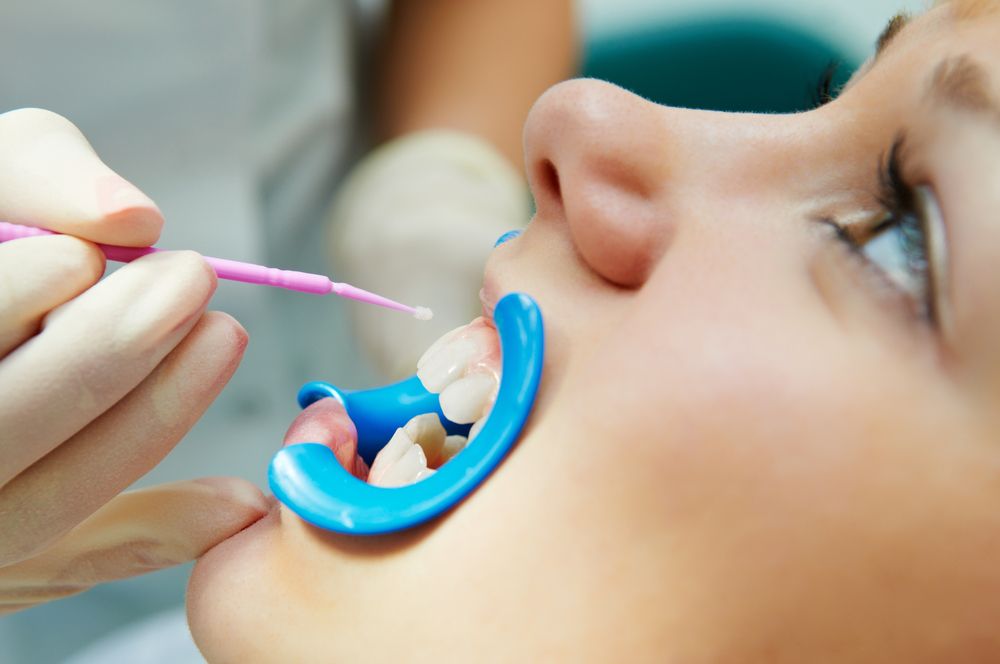
- The liquid sealant is painted into the pits and grooves.
- A special curing light may be used to harden the material.
- The dentist checks the sealant and your child’s bite.
Your child can leave the office immediately after treatment. No tooth structure is removed, and no drilling, injections, or anesthesia are required.
Do Dental Sealants Hurt?
No. Dental sealants are painless. Most children feel only the cleaning and drying of the tooth and the small brush used to apply the material.
The finished sealant is thin and smooth. It may feel slightly different to the tongue at first, but children typically adjust very quickly.
What Are the Benefits of Dental Sealants?
Dental sealants provide several practical benefits for children and parents:
- Help prevent cavities in the deep grooves of back teeth
- Protect newly erupted permanent molars during cavity-prone years
- Create a smoother surface that is easier to keep clean
- Require no drilling, injections, or anesthesia
- Can be completed during a routine preventive visit
- May reduce the likelihood of future fillings and more involved dental treatment
- Work together with fluoride, brushing, flossing, and professional cleanings
How Long Do Dental Sealants Last?
Dental sealants can protect teeth for several years. Their longevity depends on factors such as the child’s bite, chewing habits, and how well the material remains bonded to the tooth.
At routine preventive visits, Bubble’s dental team checks each sealant to make sure it continues to cover the vulnerable grooves. If a sealant becomes worn or loses part of its coverage, it can often be repaired or reapplied quickly.
Can My Child Eat After Getting Sealants?
In most cases, children can eat and drink normally after the appointment because the sealant is fully hardened before they leave the office. Our team will provide any product-specific instructions before your child leaves.
Are Dental Sealants Safe for Children?
Yes. Dental sealants have been used for decades and are considered a safe and effective way to help prevent cavities in children and teenagers.
Bubble uses a small amount of clear or tooth-colored dental material that bonds directly to the chewing surface of the tooth. The treatment is noninvasive and does not require removing healthy tooth structure.
How Do Dental Sealants and Fluoride Work Together?
Fluoride and dental sealants protect teeth in different but complementary ways. Fluoride strengthens enamel and helps teeth resist acid attacks, while sealants create a physical barrier over the deep chewing grooves where food and bacteria can collect.
Together with regular cleanings, brushing, flossing, and healthy eating habits, they provide children with a more complete defense against cavities.
Are Dental Sealants Covered by Insurance?
Dental sealants are commonly included as a preventive benefit under many children’s dental insurance plans. Coverage can vary based on the plan, the child’s age, the teeth being treated, and permitted treatment frequency.
Our team can help review your child’s available benefits before treatment. Insurance verification is an estimate of coverage and is not a guarantee of payment.
Why Families Choose Bubble for Preventive Pediatric Dentistry
At Bubble Children’s Dentistry & Orthodontics, prevention is central to how we care for children. Our pediatric dental team looks for opportunities to protect healthy teeth early, make dental visits comfortable, and help families avoid more involved treatment whenever possible.
Families choose Bubble for:
- Pediatric dentists trained specifically in children’s oral health and development
- A child-centered environment designed to make visits comfortable
- Clear explanations that help parents understand each recommendation
- Preventive services including cleanings, fluoride varnish, and dental sealants
- Pediatric dentistry and orthodontics coordinated in one practice
- Convenient care at 792 Beacon Street in Newton Centre
Frequently Asked Questions
Sealants are most commonly placed on the chewing surfaces of permanent molars because their deep pits and grooves are especially vulnerable to cavities. Our pediatric dentists may also recommend sealants for other cavity-prone teeth when appropriate.
Yes. Sealants protect the chewing grooves, but children still need to brush twice each day, floss between teeth, and receive regular professional cleanings. Sealants strengthen a preventive routine; they do not replace it.
Sealants are generally clear, white, or tooth-colored and are placed on the chewing surfaces of the back teeth, making them difficult to notice when your child smiles or speaks.
Yes. Teenagers with unsealed permanent molars or other vulnerable grooves may still benefit from sealants. The dentist will evaluate the tooth surfaces and recommend protection where it can provide value.
Our dental team checks sealants during routine visits. If an area becomes worn, the sealant can often be repaired or reapplied before the tooth loses its full protection.
Protect Your Child’s Back Teeth From Cavities at Bubble Children’s Dentistry
Dental sealants are one of the simplest ways to protect cavity-prone molars before decay begins. The treatment is quick, painless, and easy to complete during a regular pediatric dental visit.
Schedule an appointment so Bubble’s pediatric dental team can evaluate your child’s molars and recommend the right preventive plan.